

Seed oils are vegetable oils extracted from plant seeds, while olive and coconut oils are extracted from fruits. In 1888, the invention of the mechanical screw press facilitated the production of high volumes of oils from seeds, and seed oils entered the human diet at unprecedented levels. Between 1909 and 1999, U.S. consumption of soybean …

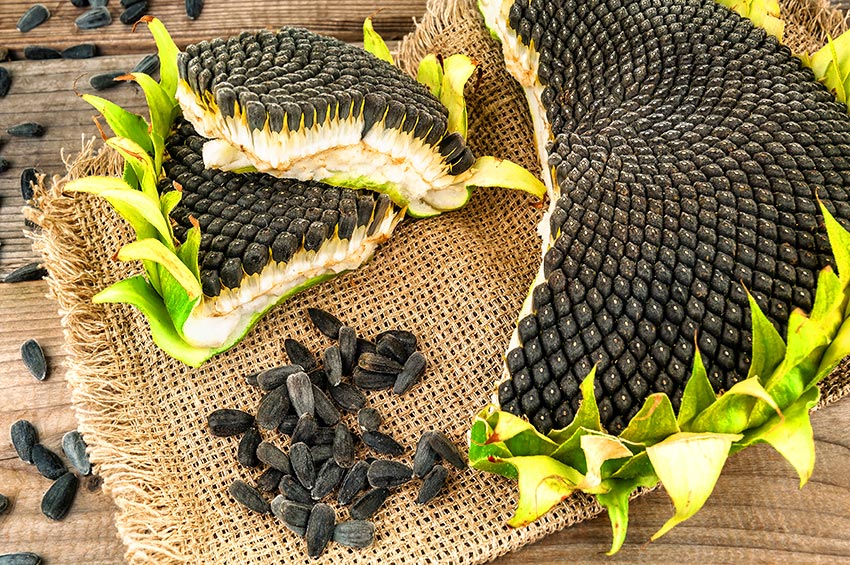
Seed oils are vegetable oils extracted from plant seeds, while olive and coconut oils are extracted from fruits.
In 1888, the invention of the mechanical screw press facilitated the production of high volumes of oils from seeds, and seed oils entered the human diet at unprecedented levels. Between 1909 and 1999, U.S. consumption of soybean oil increased 1000 times, successfully changing our human biology. The concentration of omega-6 fatty acids in our fatty tissue has risen by 136%.
The most used seed oils in the United States are canola, corn, soybean, cottonseed, grapeseed, sunflower, safflower, and rice bran. They are present in large quantities in processed foods, increasing our overall caloric intake and possibly toxicity. They are chemically different from monounsaturated fats (like olive oil) and saturated fats (like butter or animal fats), which most likely makes them more harmful. Fast food and processed foods use seed oils that have been repetitively heated, which creates harmful compounds. Heating soybean oil, which is high in omega-6 linoleic acid, increases oxidized LDL, a risk factor for the heart.
Are some seed oils safer than others?
It depends on the ratio of omega 6 to omega 3.
Diets with a higher omega-6 to omega-3 ratio have been associated with poorer health. The different ratios among seed oils may explain why certain oils protect against heart disease but others do not.
| Type of oil | Omega-6 to omega-3 ratio |
| Grapeseed oil | 696:1 |
| Cottonseed oil | 257:1 |
| Sunflower oil | 125:1 |
| Safflower oil | 91:1 |
| Corn oil | 50:1 |
| Rice bran oil | 21:1 |
| Soybean oil | 8:1 |
| Canola oil | 2:1 |
Which vegetable oils are the healthiest? – Recipe Guide
https://recipeguide.info/which-vegetable-oils-are-the-healthiest-C128214
For centuries, our diet consisted of equal amounts of omega-6 and omega-3 fatty acids, but in the past 50 years, our diet has had 15 times more omega-6s than omega-3s, partly due to the increased consumption of seed oils.
Studies have linked an increased omega-6 to omega-3 ratio to a wide range of conditions, including mood disorders, joint pain, back pain, menstrual pain, and possibly pre-term birth. High levels of omega-6 fatty acids have been associated with colon cancer.
American Heart Association advises consuming 5–10 % of energy as n-6 Polyunsaturated fats (PUFA) to reduce cardiac health risk.
A recent study published in the Journal of Nutrition revealed a correlation between cognitive performance and omega-6, -7, and -9 fatty acid levels in the participants’ blood. Those who scored higher on memory tests had larger gray matter volumes and higher levels of the above-tested fatty acids. Conversely, individuals with lower cognitive performance showed smaller gray matter volumes and lower levels of these fatty acid markers.
Omega-6: Healthy essential Unsaturated Fat
Omega-6 fatty acids are essential fats, meaning our bodies cannot make them, and we must get them through our diet. They are in soybeans, corn, safflower, sunflower oils, nuts, seeds, meat, poultry, fish, and eggs.
Omega-7: not essential fatty acids
Omega-7 fatty acids are not essential fats. We often do not produce enough, so we need to introduce them through our diet. They offer robust health benefits, particularly for heart health, inflammation reduction, and improved insulin sensitivity. Palmitoleic acid is the most prevalent omega-7 and can be found in the buckthorn plant, salmon and anchovies, macadamia nuts, olive oils, and avocado.
Omega-9: not essential fatty acids
Omega-9s are monounsaturated fats that our bodies produce. However, adding foods rich in omega-9s to our diet will increase the health benefits. With an impressive 83 grams of omega-9s per 100 grams, olive oil is one of the richest sources. Other oils like cashews, almonds, avocado, peanuts, almond butter, and walnuts are good sources of omega-9s, which help reduce the risk of heart disease, inflammation, and blood sugar control.
Genetics plays a vital role in the metabolism of omega-6 fatty acids. For example, People of African, Indigenous, and Latino descent tend to metabolize omega-6 fatty acids faster, which can increase inflammatory markers.
The most frequently used seed oil in the United States is soybean oil, which has a more favorable omega-6 to 3 ratio of 8:1. Studies have shown that this ratio can help lower heart disease risk. Corn oil and safflower oil have less favorable ratios. These seed oils are found in processed foods, including potato chips, frozen dinners, and packaged desserts.
Extra virgin olive oil remains the safest and best due to its high polyphenol content and overall health benefits.
In summary, use only seed oils with a favorable omega 3 to omega six ratio, such as soybean oil. Avoid foods fried in seed oils, minimize processed and ultra-processed food consumption, and choose extra virgin olive oil as your preferred oil.
Book a Consultation
It’s easy and free!